
India’s urban landscape is changing rapidly. Cities are expanding vertically, but the size of individual homes is becoming more compact. At the same time, the expectations from a home have increased significantly. A modern home is no longer just a place to live; it must support work, study, guests, storage, and daily comfort.
In this evolving scenario, the idea of assigning one fixed function to each room is becoming outdated. Instead, the focus has shifted toward designing spaces that can serve multiple purposes efficiently. This is where the concept of dual-purpose rooms becomes highly relevant.
The planning philosophy associated with Lalit Kumar Jain reflects this shift clearly. Rather than focusing only on building larger homes, the emphasis is on creating homes that are intelligently designed, practical in daily use, and adaptable for the future. Dual-purpose rooms are a direct result of this kind of thoughtful planning.
Why Dual-Purpose Rooms Are Essential in Modern Indian Homes
One of the biggest challenges in urban housing today is the mismatch between available space and lifestyle needs. Property prices continue to rise, while apartment sizes are becoming smaller. At the same time, families require spaces for multiple activities such as working from home, studying, hosting guests, and managing household tasks.
In such a situation, having separate rooms for every function is not practical. Many homes end up with underutilized spaces, such as a guest room that is used only a few times a year. This leads to inefficient use of valuable space.
The approach often associated with Lalit Kumar Jain addresses this issue by focusing on optimal space utilization. The idea is to ensure that every room in the house serves a meaningful purpose on a daily basis, while still being flexible enough to handle occasional needs.
Understanding Lalit Kumar Jain’s Planning Approach
A key strength of this approach is its focus on real-life usability. Instead of designing homes only for visual appeal, the emphasis is on how spaces will function over time.
This includes understanding:
- How frequently a room will be used
- What activities will take place in that space
- How easily the space can adapt to changing needs
- How the design will remain practical in the future
This long-term and user-focused thinking ensures that homes are not just attractive, but also comfortable and efficient to live in.
Planning a Study-Cum-Guest Room
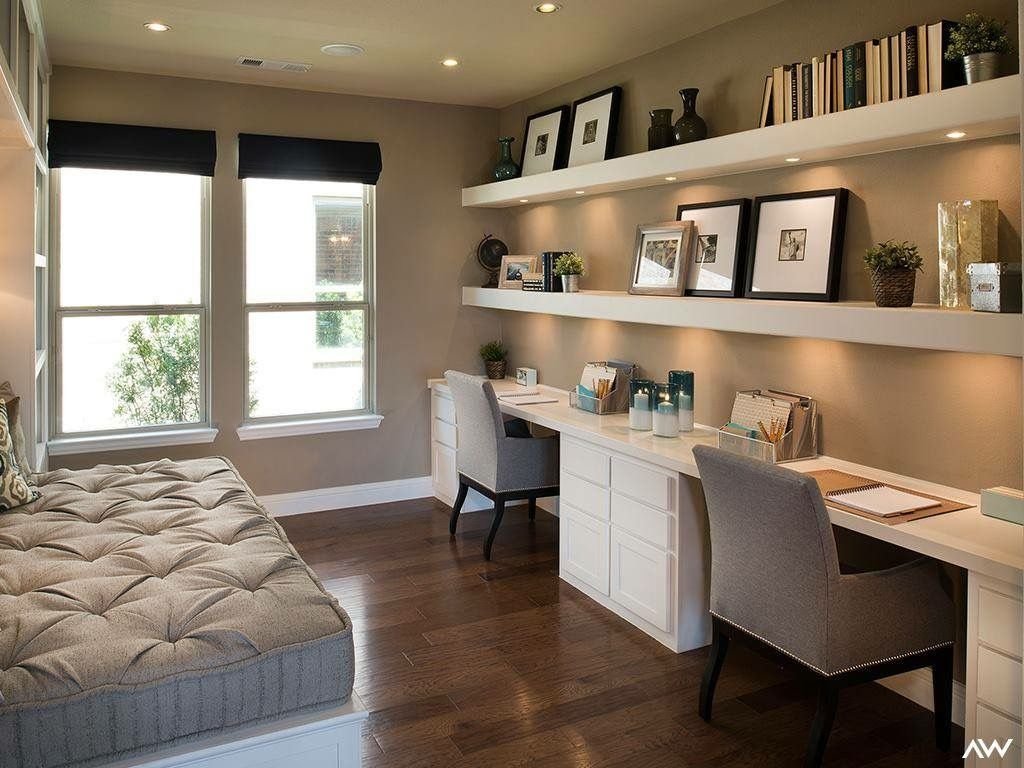
One of the most effective examples of dual-purpose design is the study-cum-guest room. This combination works well because it balances a daily need with an occasional requirement.
A study or work area is used every day, especially in today’s work-from-home culture. On the other hand, a guest room is used only when visitors come. By combining these two functions, homeowners can ensure that the room remains active and useful at all times.
Space Planning and Zoning
The first step is to clearly define zones within the room. The study area should be the primary zone, as it is used regularly. This typically includes a desk, chair, and storage for books or work materials.
The guest function should be integrated in a flexible manner. Instead of a permanent bed, options like a sofa-cum-bed or a foldable bed can be used. This allows the room to transform easily when needed.
This type of planning ensures that the room does not feel cluttered or restricted, even when serving two purposes.
Furniture and Storage Strategy
Furniture plays a crucial role in making a dual-purpose room successful. Multi-functional furniture is essential, as it allows the room to adapt without requiring major changes.
Storage should be carefully planned to support both functions. For example, cabinets can be used to store work-related items as well as guest bedding. A combination of open and closed storage helps maintain both accessibility and cleanliness.
This approach reflects a practical understanding of how people use space daily, which is a key aspect of Lalit Kumar Jain’s planning style.
Lighting and Comfort
Lighting should be designed to suit both uses of the room. Bright, focused lighting is important for study or work activities, while softer lighting creates a comfortable environment for guests.
Natural light should also be utilized as much as possible. Positioning the study desk near a window can improve productivity, while also enhancing the overall feel of the room.
Planning a Kitchen-Utility Combination
Another important dual-purpose space in Indian homes is the kitchen combined with a utility area. This combination is especially relevant because the kitchen is one of the most frequently used spaces in the house.
Traditionally, utility areas were treated as separate or secondary spaces. However, modern planning integrates them with the kitchen to improve efficiency and convenience.
Functional Zoning
The kitchen and utility areas should be divided into clear functional zones. The kitchen handles cooking and preparation, while the utility area is used for washing, cleaning, and storage.
Even within a compact layout, slight separation between these zones helps maintain organization and prevents clutter.
Ventilation and Hygiene
Proper ventilation is essential in a kitchen-utility setup. Cooking generates heat, while utility activities involve moisture. Without proper airflow, the space can become uncomfortable and unhygienic.
Windows, exhaust systems, and well-placed vents help maintain a clean and fresh environment.
Appliance Placement and Workflow
Appliances such as washing machines, dishwashers, and water purifiers should be placed strategically. They should not interfere with cooking activities, but should still be easily accessible.
A well-planned layout ensures smooth movement between different tasks, reducing effort and improving efficiency.
This reflects a deeper understanding of daily routines, which is a defining feature of practical home design.
Important Factors to Consider
Before planning any dual-purpose room, certain factors must be evaluated carefully.
- The layout should allow easy transformation between functions
- Furniture should be flexible and space-saving
- The room should not feel crowded when fully used
- Privacy should be maintained, especially for guest areas
- Electrical points should support all intended uses
These considerations ensure that the room works effectively in real-life situations.
Impact on Family Living
Dual-purpose rooms have a direct impact on the quality of everyday life. They make homes more organized, efficient, and adaptable.
Families benefit from:
- Better use of available space
- Reduced clutter
- Comfortable arrangements for guests
- Dedicated areas for work and study
This creates a more balanced and stress-free living environment.
Real Example: Smart Planning at Kumar Aatman – Baner
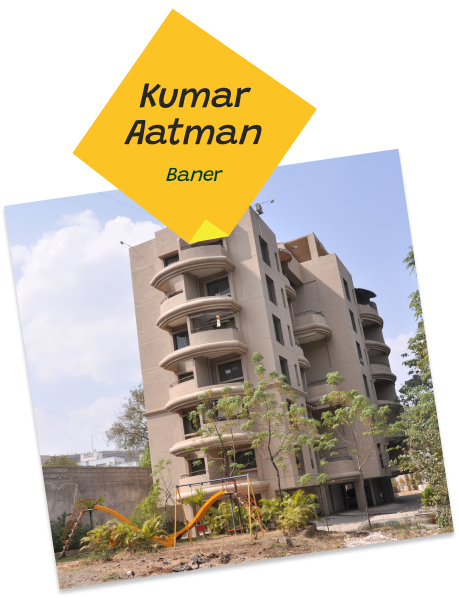
A practical example of dual-purpose and smart space planning can be seen in Kumar Aatman – Baner, a modern residential project associated with Lalit Kumar Jain’s planning approach.
Overview
Kumar Aatman is designed for urban families who seek a balance between comfort, convenience, and efficient use of space. Located in Baner, the project offers strong connectivity along with thoughtfully planned homes that support modern lifestyles.
The layouts reflect the same principles discussed above—flexibility, functionality, and future-ready living, making it easier for residents to incorporate dual-purpose spaces into their homes.
Amenities
- Clubhouse & party lawn
- Jogging track
- Children’s play area
- Landscaped garden
Smart Specifications
- Smart card access
- Video door phone
- Gas leak detector
- Advanced fire safety system
Why It Stands Out
Projects like Kumar Aatman – Baner highlight how the planning philosophy of Lalit Kumar Jain is applied in real-life developments. The focus is not just on building homes, but on creating intelligent living spaces that adapt to evolving needs.
Long-Term Benefits and Future Value
Homes designed with dual-purpose spaces are better prepared for the future. As family needs change, these rooms can adapt without requiring major renovations.
Such homes also have better resale value, as modern buyers prefer layouts that are practical and flexible.
This focus on long-term usability and value is a key aspect of Lalit Kumar Jain’s approach to housing design.
Conclusion
Dual-purpose rooms are no longer a luxury; they are a necessity in modern Indian homes. However, their success depends on how well they are planned and executed.
The approach associated with Lalit Kumar Jain highlights the importance of intelligent design, where every space serves a purpose and adapts to changing needs. By focusing on functionality, flexibility, and long-term value, this planning style ensures that homes remain comfortable and efficient for years to come.
In today’s housing market, the true value of a home lies not in its size, but in how effectively it is designed to support everyday life.