
Pune’s residential landscape has evolved rapidly over the last few decades, driven by growing infrastructure, IT expansion, and changing lifestyle expectations. Alongside this growth, homebuyers have increasingly looked for more than just apartments — they seek communities that offer comfort, connectivity, wellness, and long-term livability. In this context, projects developed under the leadership of Lalit Kumar Jain, former Chairman of Kumar Builders (KUL), stand out for their emphasis on community-focused planning.
Two projects in particular — Kulutsav in Kondhwa Budruk and KUL Ecoloch in Mahalunge-Balewadi — reflect this approach in different ways. While one is designed as a compact, family-oriented residential development and the other as a larger township-style community, both share a common philosophy: creating living spaces that support everyday life beyond the apartment walls.
A People-First Approach to Real Estate
Throughout his career, Lalit Kumar Jain emphasized that real estate development should focus on people, not just buildings. Under his leadership, Kumar Builders adopted a planning approach that gave importance to natural light, ventilation, green spaces, walkability, recreational areas, and shared community infrastructure.
This philosophy is visible across many KUL developments, but Kulutsav and KUL Ecoloch offer especially clear examples of how community-centric design can be adapted to different scales and buyer segments.
Kulutsav: Practical Urban Living in Kondhwa Budruk
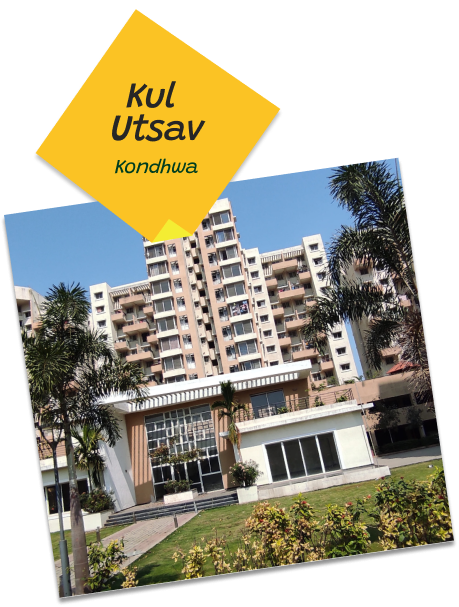
Located in Kondhwa Budruk, one of Pune South’s steadily developing residential corridors, Kulutsav is designed for homebuyers seeking a balanced urban lifestyle. The project offers a mix of 1, 2, 2.5, and 3 BHK homes, making it suitable for first-time buyers, working professionals, and growing families.
What makes Kulutsav notable is its focus on practical livability. Instead of relying on excessive luxury positioning, the project prioritizes:
- Livability infrastructure — natural light, ventilation, and efficient layouts.
- Community interfaces — gardens, clubhouses, play areas, and shared spaces that encourage interaction.
- Urban connectivity — proximity to schools, healthcare, workplaces, and transport networks.
- Long-term sustainability — green spaces and planning that support healthier urban environments.
The design encourages residents to spend time outdoors within the complex, helping foster interaction among neighbors and creating a more connected residential environment.
Another advantage is the project’s location. Kondhwa Budruk offers access to schools, hospitals, shopping centers, and major road networks, allowing residents to enjoy community living without compromising on daily convenience.
In contrast to the compact nature of Kulutsav, KUL Ecoloch in Mahalunge-Balewadi takes a broader township-style approach. Situated near the rapidly developing Baner-Balewadi-Hinjewadi belt, the project is positioned in one of Pune’s important growth corridors for professionals and families connected to the IT ecosystem.
KUL Ecoloch offers a wider mix of 1, 2, 2.5, and 3 BHK residences and is planned around the idea that open space should be an essential part of urban living, not an afterthought.
Key Planning Features
- Efficient apartment layouts focused on natural light and cross-ventilation.
- Landscaped gardens and walking spaces integrated within the residential layout.
- Children’s play areas, clubhouse, swimming pool, and fitness zones designed to support daily recreation and social interaction.
- Proximity to schools, hospitals, shopping centers, and major road networks, reducing dependence on long commutes for essential needs.
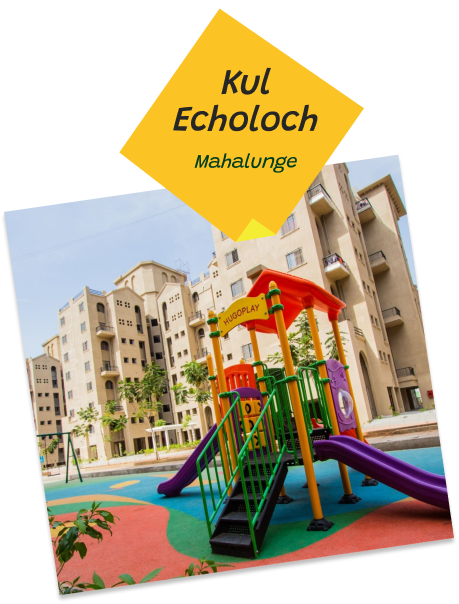
Rather than concentrating amenities in a single central zone, the project spreads community spaces throughout the township. This planning approach helps create a more integrated neighborhood experience where residents remain connected to green and social spaces regardless of which tower they live in.
The project also benefits from strong connectivity to Hinjewadi, Baner, Wakad, and Balewadi, making it attractive for professionals seeking a residential environment that combines accessibility with a more spacious lifestyle setting.
What These Projects Reveal About Community-Centric Design
When viewed together, Kulutsav and KUL Ecoloch highlight two scales of the same design philosophy.
Kulutsav demonstrates that:
- Community-oriented housing is possible even in mid-sized residential projects.
- Thoughtful layouts, green pockets, and shared amenities can improve daily quality of life without excessive scale.
- Practical planning often matters more to residents than purely decorative luxury features.
KUL Ecoloch demonstrates that:
- Township-scale development allows for deeper integration of open spaces and lifestyle infrastructure.
- Sustainability and community planning can shape the identity of an entire residential neighborhood.
- Mixed-age amenities help create inclusive communities rather than projects designed for only one demographic group.
In both cases, the underlying principle remains consistent: homes should support wellness, interaction, and long-term livability.
Lalit Kumar Jain’s Broader Contribution to Pune’s Housing Landscape
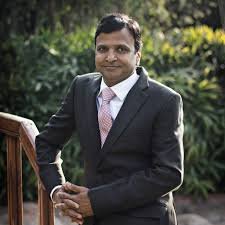
Beyond individual projects, Lalit Kumar Jain has been associated with broader discussions around sustainable urban growth and professionalization in real estate through his involvement with CREDAI and industry initiatives.
His career path — from working on construction sites to leading one of Pune’s recognized developer brands — is often cited as influencing a practical, ground-level understanding of how people actually use residential spaces. This perspective is reflected in recurring planning priorities across KUL developments:
- Functional apartment layouts
- Walkable internal roads and pathways
- Community gathering spaces
- Green landscaping
- Infrastructure for families across different life stages
- Long-term residential usability rather than short-term visual appeal
As Pune continues to expand, these principles remain relevant in a market where buyers increasingly evaluate projects based on lifestyle quality, sustainability, and neighborhood experience.
Why Community-Centric Design Matters Today
Modern homebuyers increasingly evaluate projects on factors beyond carpet area and price. The following questions now play a major role in decision-making:
- How much usable open space does the project offer?
- Are there safe and accessible areas for children and senior citizens?
- Does the layout encourage walkability and social interaction?
- Is the project connected to essential urban infrastructure?
- Will the environment support long-term wellness and quality of life?
Kulutsav and KUL Ecoloch illustrate two different answers to these questions — one through a compact urban community and the other through a larger integrated township model.
Conclusion
Kulutsav and KUL Ecoloch demonstrate how thoughtful residential planning can move beyond basic construction to create more livable urban environments. Whether through the practical, family-oriented design of Kulutsav or the expansive township planning of KUL Ecoloch, both projects reflect a people-centric approach to housing development.They also highlight the planning principles associated with Lalit Kumar Jain’s leadership at Kumar Builders: prioritizing livability, integrating community spaces, and treating residential projects as long-term urban ecosystems rather than isolated buildings.As Pune continues to grow, developments that balance connectivity, open space, and community infrastructure are likely to remain central to the city’s evolving housing landscape.